Jacob Coxon, the Anthropic researcher whose resignation post ignited a global debate over AI risk earlier this month, told at least one interviewer that he had not coordinated his media rollout with any outside party. A new report from Pirate Wires suggests otherwise.
According to the report, a communications firm called DEY. Ideas + Influence had been working with Coxon around the time of his announcement. Two sources familiar with the matter, along with an email reviewed by Pirate Wires, indicate the firm was trying to line up an interview for Coxon on September 9, just a day after he posted his resignation thread on X. One of the sources also told Pirate Wires that DEY. had separately arranged interviews for MIRI president Nate Soares that were timed to overlap with Coxon’s public debut.
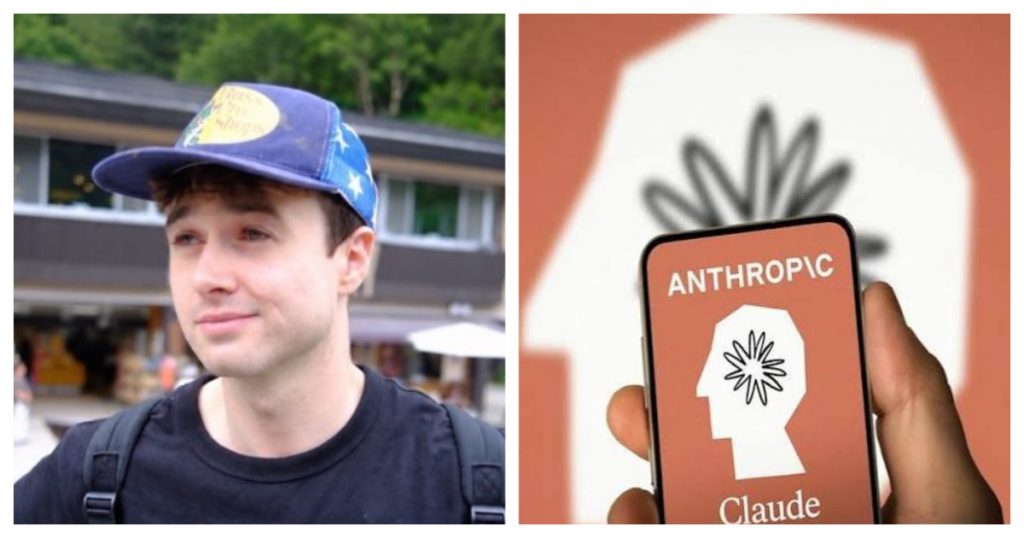
The timing is crucial because Coxon, when asked directly, denied any outside coordination. Fox News’ Bret Baier asked him on air on September 9 whether he had worked with third parties on his announcement. Coxon’s answer was a flat no.
DEY. describes itself as representing “artists, scientists, dissidents, and dreamers,” and lists Noam Chomsky among its clients. But per its own site, its roster also includes some of the most recognizable names in the AI safety movement. That includes Eliezer Yudkowsky, who co-wrote a widely discussed book arguing that advanced AI poses an extinction-level threat to humanity, and Timnit Gebru, the former Google Ethical AI co-lead who has been an outspoken critic of large language models since her contentious exit from the company. The firm also advises MIRI directly, along with Stanford’s Institute for Human-Centered AI and Stanford Medicine. Its client list beyond AI includes the Bill & Melinda Gates Foundation, the Ford Foundation, and George Soros’s Open Society Foundations.
Coxon isn’t listed publicly as a DEY. client, and neither he nor the firm responded to Pirate Wires’ request for comment.
This isn’t the first time Coxon’s rapid rise has drawn scrutiny. Questions about his neutrality and possible ties to AI safety PR networks surfaced within days of his post going viral, after commentators pointed to the speed of his amplification, his near-dormant X account suddenly racking up over a hundred million views, and swift endorsements from prominent doomer accounts. Elon Musk was among those who publicly doubted the numbers were organic, and other tech figures floated the idea that the whole episode looked more like a coordinated campaign than a spontaneous whistleblower moment.
The Pirate Wires report doesn’t dispute that Coxon believes what he’s saying. If anything, it argues the opposite is more likely: that he believes it deeply enough to want professional help getting the message out. But it raises a separate question that has nothing to do with sincerity — who, if anyone, is funding and shaping the campaign that turned a little-known pretraining researcher into the face of AI safety within days, at a moment when that exact narrative is feeding directly into a live policy fight over how AI gets regulated.