NVIDIA CEO Jensen Huang has weighed in once again on the open versus closed AI models debate, this time reaching for an analogy involving something everyone uses every single day: water.
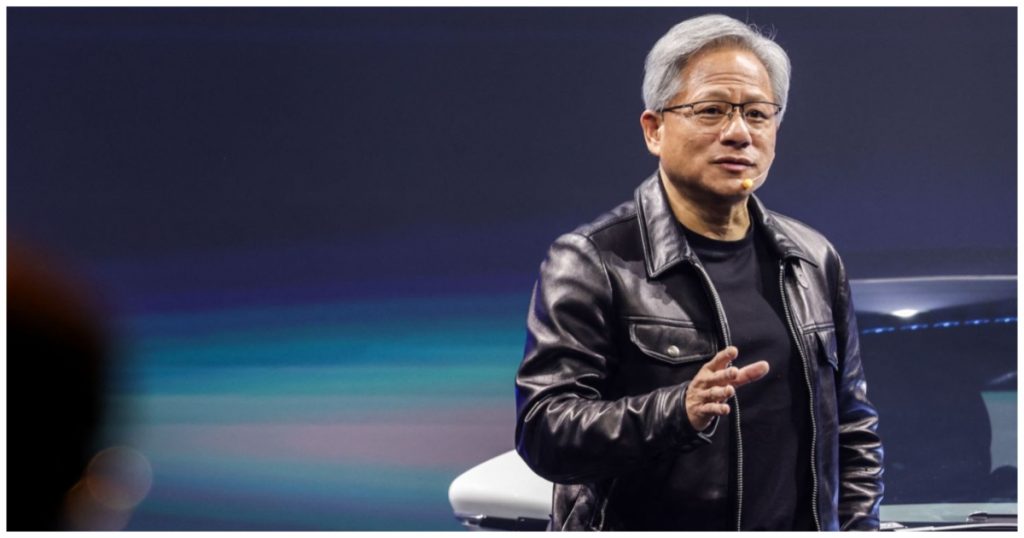
Appearing on stage at the All-In Podcast event, Huang was asked to explain how he thinks about the trade-offs between closed, proprietary AI models and open, freely available ones. “The way I think about closed models is kind of like bottled water, you know? Water is free, you guys. I don’t know if I’ve told you guys, but water is free. I don’t want to burst everybody’s bubble, but water’s free, and this morning I used a lot of free water taking a shower,” Huang said. “So you use the right water in the right places, and this is no different than electricity. This is no different than all kinds of commodities that we use in the world. You need both.”
It is a familiar move for Huang, who has spent much of the past year making the case that AI does not have to be a binary choice between open and closed. Just months earlier, he made his first ever post on X to back a letter, signed by more than 20 companies, arguing that “the world needs both frontier closed models and frontier open models.” The bottled water line is essentially that same argument compressed into something a podcast audience can repeat at a dinner party: bottled water is convenient, packaged, and sold at a markup, but nobody would claim tap water has stopped existing or stopped working.
The analogy also fits neatly with how Huang has talked about NVIDIA’s own approach to openness. He has previously described the release of DeepSeek as a win for the United States, arguing that open models are what allow startups to exist in the first place, since not every company can afford to license a closed frontier system. At the same time, NVIDIA continues to sell the infrastructure that both open and closed labs run on, which is precisely why Huang has no real incentive to declare a winner between the two camps. Whether a company is filling up on the free tap water of open weights or paying for the convenience of a closed, bottled API, it still needs somewhere to fill the bottle, and that somewhere is usually a rack of NVIDIA GPUs.
Huang’s framing also echoes a point he has made about compute more broadly, comparing AI infrastructure to electricity and other commodities that societies rely on regardless of who is producing them. That is consistent with his repeated insistence that closed models are not going away just because open ones are improving. NVIDIA also has looked to have a stake in the open ecosystem by acquiring Hugging Face, which is where most open models are now hosted. Put together, the two comments capture the same underlying philosophy: open and closed are not rivals to be ranked, they are different delivery systems for the same underlying resource, and the right choice depends entirely on what a company is trying to do with it.