Elon Musk has waded into the growing anxiety around AI infrastructure debt, declaring that lenders have effectively stopped funding AI companies that cannot point to significant revenue outside of data centers themselves.
“As of the past few weeks, debt markets have almost entirely shut off access to money for any company that doesn’t have substantial revenue independent of AI data centers,” Musk wrote on X, replying to a post about the state of AI financing. He used the moment to draw a sharp line between SpaceX, which he said remains investment grade thanks to its Starlink and launch businesses, and the sprawling field of so-called “neoclouds,” GPU-renting companies built almost entirely on borrowed money. “That means the 200+ neoclouds are going to see guppy-level death and consolidation. Some will make it through, but not many,” he wrote.
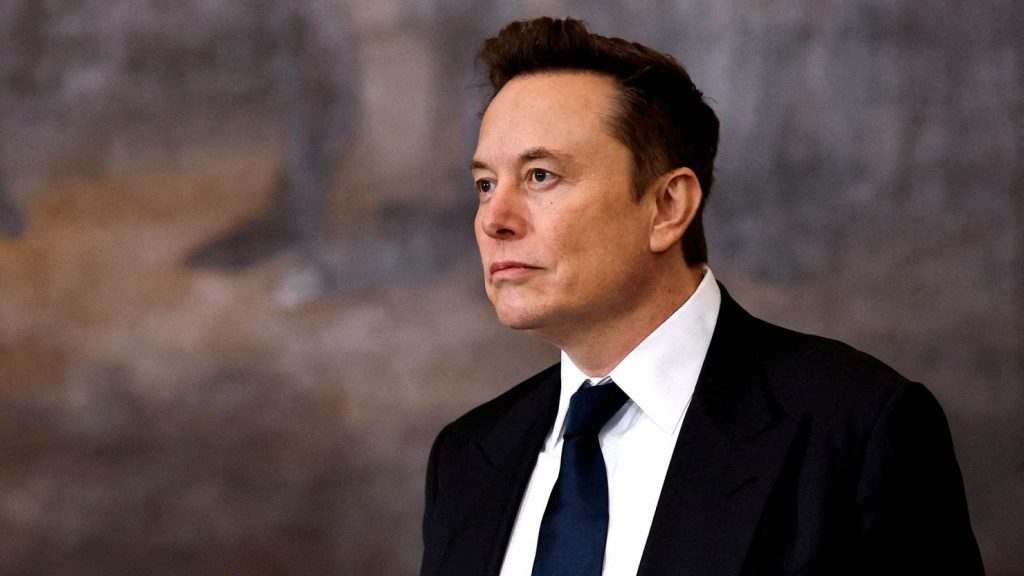
The timing is interesting. SpaceX itself is reportedly in talks to raise around $40 billion in debt, split roughly between $10 billion in bank loans and $30 billion in investment-grade bonds, to fund a massive order of Nvidia chips for its Colossus data centers, with Apollo Global Management said to be leading the financing. Musk’s post seems designed to pre-empt criticism of that deal by distinguishing SpaceX’s position from the rest of the neocloud pack: the company, he argues, can carry that debt because it has Starlink subscriptions and rocket launches bringing in cash, not just speculative AI compute contracts.
The neoclouds he’s referring to, companies like CoreWeave, Nebius, Lambda, Applied Digital, Iren and Crusoe, have built their businesses by borrowing heavily against GPUs to construct data centers, then renting out that compute capacity to AI labs and hyperscalers. It’s a model investors have grown increasingly nervous about. CoreWeave, the largest and most closely watched of the group, has seen its bonds slide well below par as its cost of insuring against default has spiked, with its debt load sitting at around $50 billion against a business that still isn’t profitable. Research firm Gartner has forecast that by 2030, over 80 percent of neocloud providers will cease to operate independently, a grim mortality rate that Musk’s “guppy-level death” framing essentially echoes.
The broader worry in credit markets is that AI infrastructure spending, running into the trillions of dollars globally, has been propped up by projected future revenue rather than demonstrated cash flow, with lawyers and analysts increasingly comparing the neocloud boom to WeWork’s collapse. Much of this is also tangled up with concerns around circular financing, where chipmakers like Nvidia invest in the very companies that then use that money to buy Nvidia’s own hardware, inflating the appearance of demand.
Whether SpaceX’s own $40 billion ask ends up looking as safe as Musk suggests will depend on how the broader AI capex cycle plays out over the next couple of years. For now, Musk’s post reads as both a market observation and a pointed defense of his own company’s upcoming debt raise, at the expense of the hundreds of smaller neoclouds racing to build out GPU capacity on borrowed time.