NVIDIA CEO Jensen Huang has a new metaphor for how he thinks about leadership, and it comes straight out of a race track. In a conversation with Y Combinator’s Garry Tan, Huang compared running NVIDIA to piloting a Formula 1 car, arguing that a company should be built around its driver rather than the other way around.
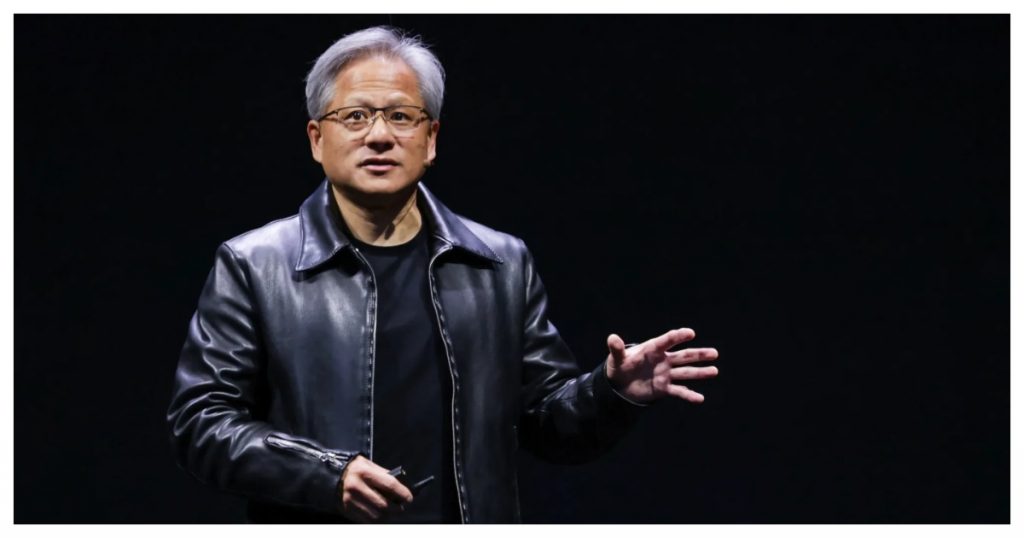
Huang framed the comparison in terms of the sheer competitiveness of the industries he operates in. “We’re the F1 drivers, we’re the racers, and the world is really competitive, and we’ve got to stay, we’ve got to win, and we’ve got to achieve our mission,” he said. For Huang, that competitive pressure is the reason the car has to be built around whoever is driving it. “And so whatever it takes to fit the car to you, whatever it takes to fit the organisation to you, that’s what you ought to do. And the next CEO, whatever their personality is, they can figure it out.”
Tan picked up on the logic immediately, pointing out that any change made to a car that isn’t suited to its driver will only cost races. Huang agreed, and went further, describing this as an ongoing, almost daily practice rather than a one-time exercise. “Yeah, or we’re constantly tweaking the car to our needs, and that’s really what I’m doing all the time,” he said. “I’m constantly tweaking the company, constantly reshaping business processes and the way things work, so that I can, you know, be more effective for the company.”
The framing lines up with things Huang has said elsewhere about how NVIDIA is structured. He has previously described the company’s org chart as being designed like a computing stack, built to adapt quickly rather than sit inside rigid divisions and business units. That same instinct for reshaping the machine rather than living with a fixed structure shows up in his F1 comparison — the organization is treated as something to be tuned, not something the CEO has to adjust himself to.
It also connects to how Huang stays close to the day-to-day running of the company despite NVIDIA’s scale. He’s known for using a system of weekly “Top 5” emails from employees across the organization to keep a direct line into what’s happening at every level, rather than letting information filter up through layers of management. It’s the same underlying idea as the F1 analogy: the setup exists to serve the person driving it, and Huang has built multiple systems around making sure that fit stays tight.
Huang did not comment on how permanent this level of customization is meant to be, beyond noting that whoever succeeds him will have to make their own adjustments to the car. Given how NVIDIA has grown into what Huang himself has called an essential infrastructure company rather than just a chipmaker, whoever eventually takes the wheel will be inheriting a car built very specifically around Jensen Huang.