There was a time when a “good” holiday meant ticking off as many sights as humanly possible, cramming in three countries in a week, waking up before sunrise to beat the crowds, measuring a trip’s success by how exhausted you felt on the flight home. That idea is quietly fading.
More travellers today are judging their holidays not by how much they saw, but by how they felt while seeing it, and that shift has turned pace itself into one of the clearest markers of a quality trip. A slower, more deliberate stay at a place like Pullman Phuket Panwa Beach Resort increasingly says more about a traveller’s priorities than a packed, rushed itinerary ever could.
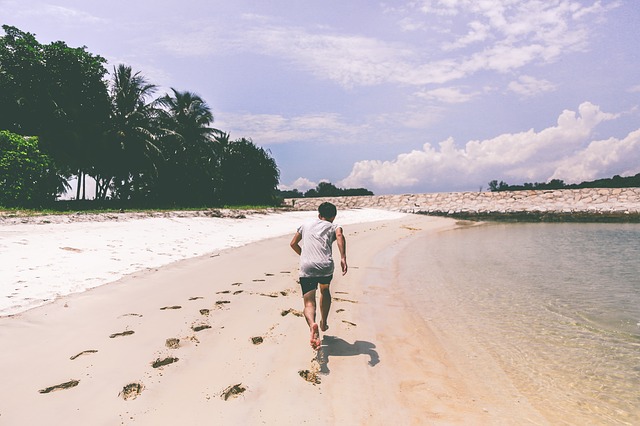
Why Pace Became Part of the Conversation
For years, travel was measured almost entirely in output, countries visited, landmarks photographed, boxes checked. But burnout from exactly this kind of travel has become its own well-documented phenomenon, with many people returning from “vacation” needing a few days just to recover from the trip itself. As awareness of this pattern grew, so did a counter-movement: travellers deliberately choosing fewer destinations, longer stays, and more unstructured time, prioritizing how a holiday actually feels over how impressive it looks from the outside.
The Rise of “Slow Travel”
Slow travel isn’t about doing less for the sake of it, it’s about depth over breadth. Rather than spending two nights in five cities, slow travellers might spend ten nights in one, allowing time to settle into a place, return to a favourite café more than once, or simply sit by the water without a schedule dictating the next move. This approach tends to produce a very different kind of memory, less a highlight reel of landmarks, more a genuine sense of having actually experienced a place rather than passed through it.
How Pace Shapes the Feeling of a Destination
Interestingly, the same destination can feel completely different depending on the pace at which it’s experienced. Rush through a beach destination with a packed itinerary of excursions, and it can feel like any other stop on a checklist. Slow down, stay in one well-chosen property, and let the days unfold with fewer fixed plans, and the same location can feel transformative. This is part of why resort choice matters so much for slower-paced trips: the right property becomes less of a base to sleep in and more of a central part of the experience itself.
What Slower Travel Actually Looks Like in Practice
Slower travel is less about doing nothing and more about changing how a holiday is structured. In practice, it often involves:
- Staying longer in fewer places: Spending more time in one destination reduces the constant packing, checking out, and travelling between locations.
- Leaving time deliberately unplanned: Open blocks in the itinerary create room for spontaneous experiences, extended meals, relaxation, or simply doing less.
- Treating the resort as part of the experience: When accommodation offers a comfortable environment to spend meaningful time, travellers do not need to leave the property for every activity.
- Repeating experiences without feeling the need to move on: Returning to a favourite beach, café, restaurant, or viewpoint can create a stronger sense of familiarity and connection.
The result is a holiday that demands less logistical effort while creating more space for genuine rest, local immersion, and experiences that do not feel rushed.
Why Resort Choice Matters More When Pace Slows Down
When a trip is built around fewer, longer stays, the resort itself becomes central to the experience rather than a place to simply sleep between excursions. This is where a destination resort earns its place. Properties set along a quieter stretch of coastline with extensive on-site amenities, allow travellers to genuinely settle in, spending unhurried days moving between the beach, the pool, and leisurely meals, without needing to venture far to feel like the trip is “happening.” For slow travel to actually work, the property needs to offer enough variety and comfort to make staying in feel like an active choice, not a compromise.
Pace as a Personal, Not Universal, Measure
It’s worth noting that slower travel isn’t inherently superior to a packed, activity-filled itinerary; it simply reflects a different set of priorities. Some travellers genuinely thrive on momentum and discovery, and a jam-packed schedule is exactly what makes a trip feel worthwhile to them. What’s changed isn’t that one pace is objectively better, but that pace itself has become a deliberate choice travellers actively plan around, rather than something dictated purely by how much time and budget they have available.
Planning A Slower Trip Without Losing Structure
Slower travel still benefits from thoughtful planning; it just applies that planning differently. Instead of mapping out daily activities hour by hour, the focus shifts to choosing the right location and property, confirming logistics like airport transfers in advance, and leaving the in-between time intentionally open. This balance, enough structure to remove stress, enough openness to actually relax, is often what separates a genuinely restorative slow trip from one that simply feels under-planned.
Conclusion
Travel pace has become a meaningful measure of holiday quality because it directly shapes how a trip actually feels, not just what it includes. Choosing fewer destinations, longer stays, and a resort built for genuine immersion allows travellers to experience a place rather than simply pass through it. As more people prioritise how they feel over how much they’ve seen, pace is likely to remain one of the clearest signals of a holiday truly well spent.