Car modifications can change the details on which your motor insurance policy is based. A change may involve a CNG kit, electrical accessories, body alterations, wheels or other vehicle features.
If you forget to tell the insurer, the effect will depend on the modification, the policy terms and whether the change is connected to a later claim. The main issue is that the car may no longer match the information recorded in the policy.
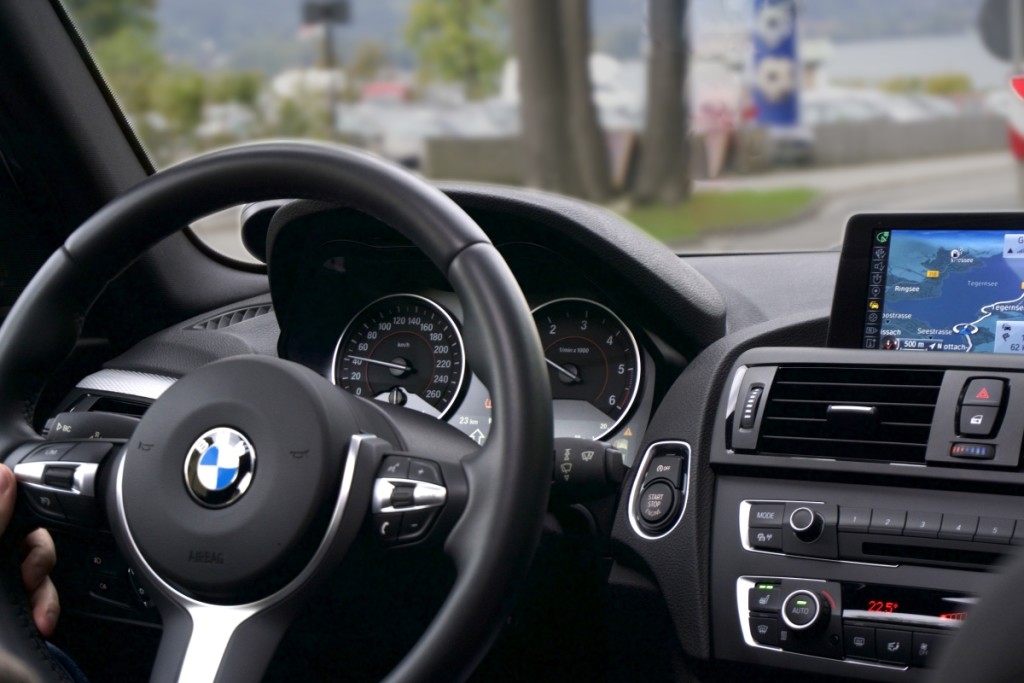
Your Policy Details May Become Incorrect
Once a modification changes the vehicle, the information in the policy may no longer be fully accurate. Insurers rely on vehicle details while issuing cover and assessing claims. If a change affects the fuel type, model, accessories or another recorded feature, the policy may need an endorsement.
Until that update is made, there can be a difference between the insured details and the actual car. This can lead to extra questions later, especially when the modification is relevant to the loss or damage being claimed, and the claim is reviewed in detail.
The Premium May Need To Be Recalculated
Certain modifications can affect the premium because they change the vehicle details, insured accessories or risk considered under the policy. If the change was not declared, the premium may have been calculated using old information. After you inform the insurer, it may review the modification and tell you whether an additional premium applies.
This is also relevant when arranging new car insurance for a vehicle that already has fitted accessories or approved alterations. Accurate details help the policy start with the correct information from day one without unnecessary discrepancies appearing later on.
Your Claim May Need Closer Assessment
If you make a claim after an undeclared modification, the insurer may need more information before deciding the outcome. It may ask when the change was made, what parts were altered and whether the modification contributed to the incident.
Supporting documents, photographs, invoices or an updated registration certificate may also be required. This does not mean every claim will be rejected. The claim is assessed according to the policy terms, the type of modification and its connection with the damage for which you are claiming, together with the documents available for review.
The Modified Part May Not Be Treated As Insured
Some additions, such as electrical accessories, non-electrical accessories or a CNG or LPG kit, may need to be declared and added to the policy. If they were never reported, the insurer may check whether the modified part was included in the insured vehicle details. This becomes important when that specific part is damaged.
The amount payable, if any, will depend on the policy terms and how the accessory or modification was recorded. Declaring such additions helps make the intended cover clearer if the modified part is involved in a future claim.
Your Registration and Insurance Records May Not Match
Some modifications must also be reflected in the vehicle’s official records. A CNG or LPG conversion, for instance, should be recorded with the relevant transport authority and shown in the registration certificate. The insurer should also be informed so the policy can be updated where required.
If the RC shows one set of details while the insurance policy shows another, questions may arise during policy changes or claims. Keeping both records consistent makes it easier to establish what modifications were officially made to the vehicle whenever those details are checked again later.
You May Have to Request an Endorsement
Once you notice the omission, the insurer may ask you to request a policy endorsement. An endorsement records an accepted change to the existing policy. You may need to submit proof such as an invoice, updated RC or other documents related to the modification.
An additional premium can apply depending on the change. After the endorsement is issued, check that the revised details are correct. It is better to correct the record promptly rather than leave an undeclared modification unresolved until you need to make a future claim during the policy period.
Final Thoughts
Forgetting to declare a car modification can create a mismatch between your vehicle and the details in your insurance policy. It may lead to additional claim checks, questions about the modified part, a premium review or the need for an endorsement.
The outcome will depend on the modification and policy terms. If you realise that a change was not reported, inform the insurer, provide the required documents and ensure the updated policy reflects the car.