Even as there are layoffs across tech companies, some startups are working hard to retain the employees that they deem to be valuable to their businesses.
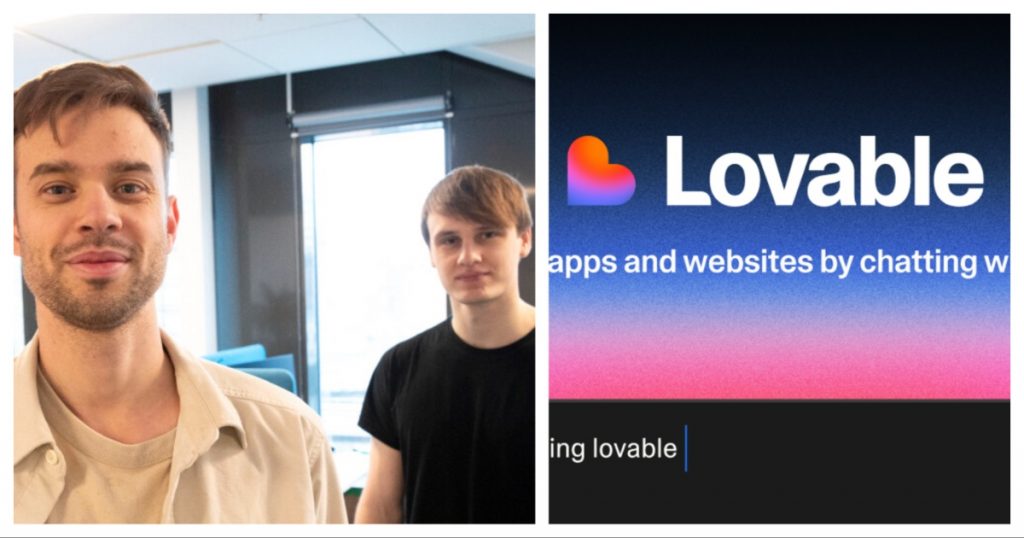
AI startup Lovable has announced a new compensation program that automatically gives every full-time employee a 10% pay increase on their annual work anniversary. The policy was shared publicly by Anton Osika, Lovable’s CEO, and Elena Verna, who leads Growth at the company. “People get more valuable the longer they stay, and they shouldn’t have to worry about getting a raise or not,” Osika said.
The timing is notable. Microsoft recently laid off nearly 7,000 employees, and IBM announced thousands of additional cuts citing AI-driven efficiency gains. Against that backdrop, Lovable’s move is a deliberate counter-signal — a bet that keeping good people is worth more than the cost of the raise itself.
The philosophy behind the program is straightforward: retention has compounding value. Employees who stay longer accumulate institutional knowledge, build stronger working relationships, and contribute more meaningfully over time. Rather than forcing staff to make a case for themselves at every performance review cycle, Lovable has made loyalty self-rewarding by design. As Verna put it, employees “don’t have to re-prove their worth every cycle” — freeing them to focus on their work instead of managing optics.
This kind of structural thinking about retention is still rare in the startup world, where compensation and culture decisions are often reactive rather than proactive. Most companies treat raises as a negotiation — something to be asked for, justified, and approved on a case-by-case basis. Lovable has flipped that model entirely. The raise isn’t a reward for lobbying; it’s an automatic acknowledgment that another year of contribution has passed.
Whether other startups follow suit remains to be seen. Lovable is currently hiring, which suggests the program is also functioning as a recruiting tool — a way to differentiate itself in a competitive talent market where candidates have learned to look beyond headline salaries at what a company actually does to keep its people.