Neuralink has given a glimpse of how it builds on top of its brain implants, detailing a 72-hour engineering sprint its team ran at the home of one of its VOICE study participants. The company says its engineers spent three straight days working alongside the volunteer to push the limits of translating thought directly into speech, and has shared some of what came out of the effort in a new update.
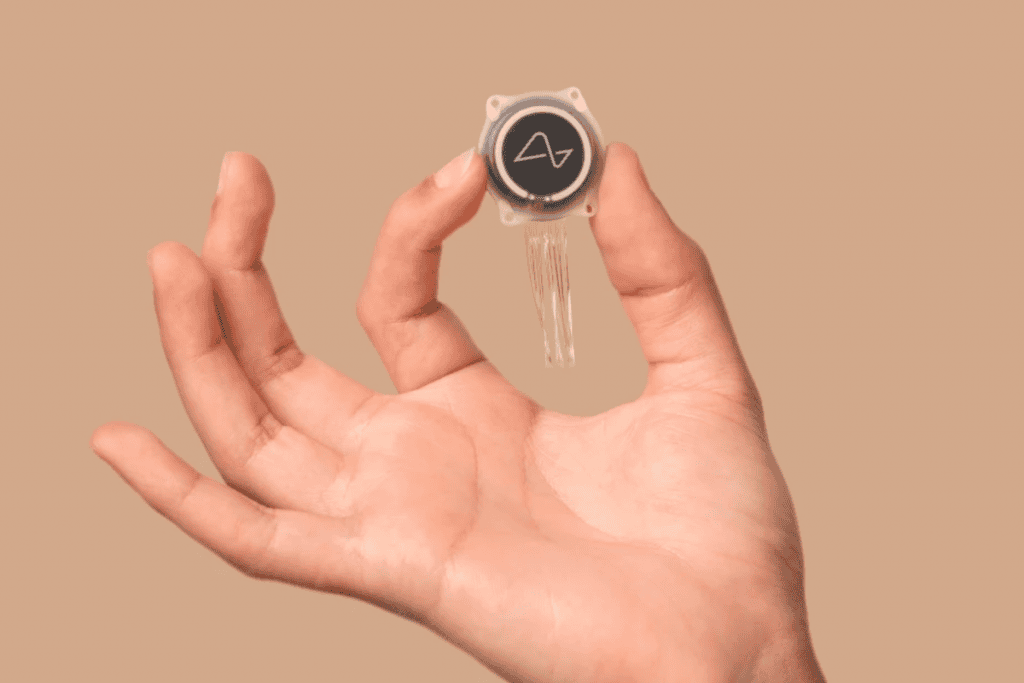
The VOICE trial is Neuralink’s speech-focused clinical study, distinct from its earlier PRIME trial that lets paralysed patients control a cursor or keyboard with their thoughts. VOICE instead targets the brain’s language and speech-planning regions directly, aiming to let people who have lost the ability to speak, including those with ALS, stroke or spinal cord injuries, talk again by decoding neural signals into synthetic speech. The trial has already produced some emotional moments this year, including a participant named Terry telling his wife “I love you” using only his thoughts, a clip that Elon Musk himself reposted and that quickly racked up tens of millions of views.
Alongside the update, Musk used the moment to restate his long-term vision for the company and its first product, which he said will be called Telepathy. According to Musk, Telepathy will enable high-speed communication with computers, or even other humans, simply by thinking, with output bandwidth eventually exceeding the fastest human speech or typing by a wide margin. He’s previously described the core problem Neuralink is trying to solve as one of bandwidth: a brain holds far more information than it can express through the comparatively slow channels of speech or typing, and a direct neural link is Neuralink’s attempt to remove that bottleneck altogether.
Musk’s ambitions for the company extend well beyond communication. He reiterated that Neuralink hopes to eventually shunt signals from the brain’s motor and sensory areas to the limbs, potentially allowing paralysed people to use their hands and walk again. It’s a far more ambitious goal than anything the company has publicly demonstrated so far, where progress has largely centred on cursor control and, more recently, speech restoration through the VOICE trial. Neuralink has implanted its N1 device, placed by its purpose-built R1 surgical robot, in a steadily growing number of participants across its trials, though the company has been careful to frame all of this as early feasibility research rather than an approved medical product.
The 72-hour hackathon format itself is notable for how it frames Neuralink’s development process, with engineers embedding directly in a participant’s home rather than working in a lab, iterating on decoding software in real time based on what the participant can and can’t yet do. For a company whose public narrative is often driven by Musk’s social media posts, this kind of close-quarters, participant-first engineering work is what Neuralink is pointing to as the actual substance behind claims like Telepathy’s.
Whether Neuralink can deliver on the bandwidth claims Musk is making, let alone the far more complex goal of restoring movement, remains to be seen, and will depend on data from trials like VOICE over the coming years rather than any single demo. But with speech restoration now showing results in multiple participants, the company appears to be inching closer to turning Telepathy from a name into an actual product.