US President Donald Trump has made it clear that he sees protecting America’s top tech talent as part of his job, and he says Jensen Huang isn’t the first tech leader he has stepped in to protect.
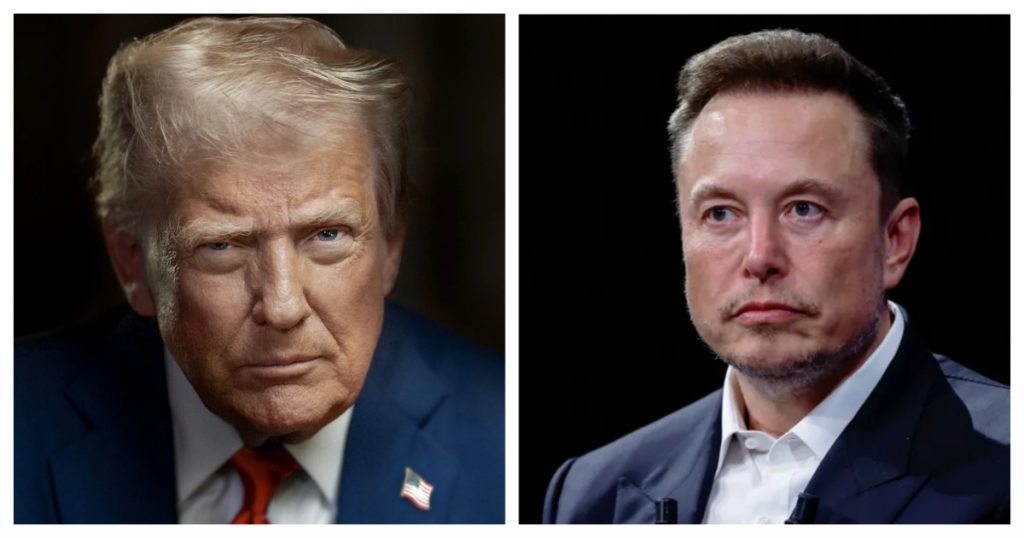
Trump called into CNBC on Monday, hours after NVIDIA’s board reinstated Huang as CEO. During the conversation he said he had “protected” Elon Musk during his first term, and claimed that without his intervention there wouldn’t be an Elon. He linked this to an unspecified “tough incident.”
“Why Not Put Him On Leave Before Just Executing Him?”
The remarks came in response to CNBC’s Jim Cramer, who criticized how NVIDIA’s board had handled Huang’s departure earlier this month.
“The thing that I was concerned about was I thought the board acted hastily,” Cramer told Trump. “If they had gotten in contact with you, gotten in contact with the attorney general, I think they might have realized this. Why not put him on leave before just executing him? That’s what I was concerned about. ‘Cause he is a national treasure, Mr. President. He’s a national treasure.”
Trump agreed, and then turned to Musk.
“That’s exactly right, and we have to protect… You know, I protected Elon in my first term. Very big. Elon was protected,” Trump said. “I talk about it, and I’m proud of Elon. I love Elon. I think he’s great. You know, 80% super genius, 20% he has other problems, but I tell him that.”
“But Elon I protected. You wouldn’t have an Elon if it wasn’t for me, and, uh, where, you know, that certain incident took place, which was a, you know, tough incident,” he continued.
He then came back to the theme of protecting talent. “You said, you used the word national treasure. It’s great. I say we have to protect our brilliant people ’cause we don’t have enough, but he’s both. He’s brilliant, but they’re national treasures.”
What Was The “Incident”?
Trump didn’t say what incident he meant or what he had protected Musk from, and the White House hasn’t elaborated. The comment is likely to prompt plenty of speculation, given how many run-ins Musk had with regulators during Trump’s 2017–2021 term, from securities regulators to state health officials.
The relationship between the two men was also more complicated during that period than it is now. Musk left two White House advisory councils in 2017 in protest over the US withdrawal from the Paris climate agreement. Years later, when the pair fell out publicly, Trump said Musk had come to the White House seeking help for his companies during his first term.
Since then the two have grown close again. Musk was one of Trump’s biggest backers in the 2024 election and went on to lead the Department of Government Efficiency in Trump’s second term. On Monday Musk celebrated Huang’s reinstatement on X, writing: “The mistake has been corrected.”
“We Have To Protect Our Geniuses”
The Musk comments fit a message Trump and the White House pushed throughout Monday: that America’s most important technologists need protecting, even when they’re caught up in scandal.
Trump personally campaigned for Huang’s return. According to a report, he dialed into an NVIDIA board meeting to argue for it, and the White House said the President was “totally involved.” “We have to protect our geniuses,” White House communications director Steven Cheung said. After the board’s decision, Trump called Huang “a Great Patriot and National Treasure” on Truth Social. He added that the government had no reason to believe Huang’s return posed any risk to national security, and that the Attorney General had confirmed the government had no evidence that Huang had broken the law.
Huang resigned on November 12 after admitting to a relationship with Alice Huang, a Megaspeed executive whom US intelligence agencies reportedly believe was recruited to spy on him. NVIDIA’s board said its independent investigation into reports that Huang was targeted by a foreign intelligence effort will continue despite his return.
Tech Talent As A National Asset
Trump’s comments show how differently the US government now treats AI and tech leaders. For years, the founders of America’s biggest tech companies were seen in Washington mainly as targets of antitrust cases, privacy probes and congressional hearings. Today the administration openly describes figures like Huang and Musk as national assets in the AI race with China, and says it is prepared to intervene on their behalf.
Supporters will argue that this is simply realism. Few people have Huang’s grasp of AI hardware, and the markets agreed: NVIDIA shares jumped over 30% on news of his return. Critics, though, are likely to question a President intervening so directly in corporate governance and, apparently, in matters involving regulators and investigations. Trump’s suggestion that he protected Musk from an unnamed “incident” will only add to those questions.
What is clear is that in this administration, being a “national treasure” in tech appears to come with significant protection from Washington.