Datacenters were never formally the headline question on any national ballot this week, but they were on almost every ballot in some form. As Democrats swept to control of both the House and the Senate in Tuesday’s midterms, voters from Ohio to Texas delivered a string of results that the AI infrastructure industry will struggle to read as anything other than a warning. Elon Musk, who spent heavily to prevent exactly this outcome, responded on X with a joke about space lasers.
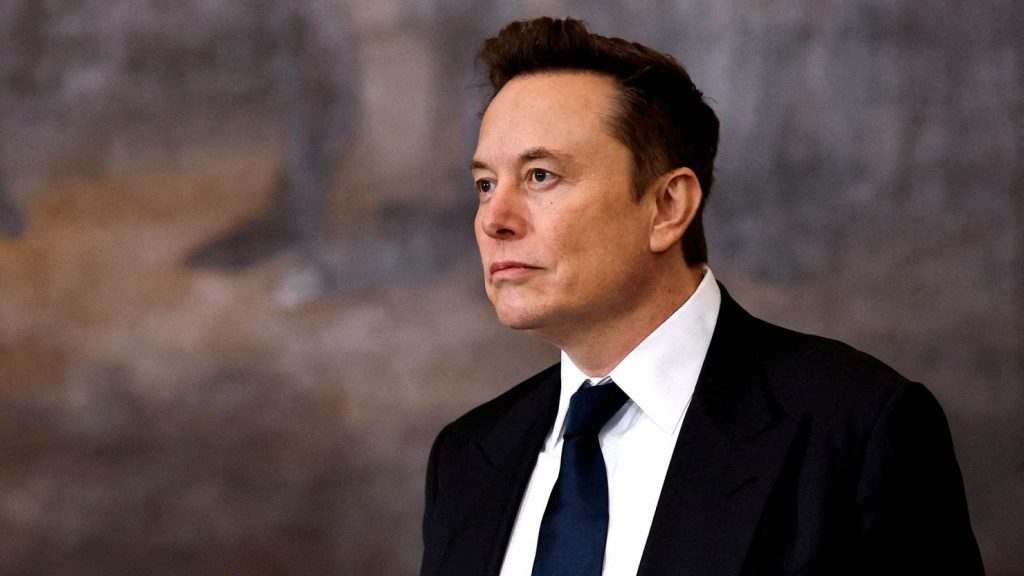
Musk’s reaction
Musk stayed quiet through most of election night, even as the candidate he spent roughly $212 million backing in Texas, state Attorney General Ken Paxton, lost the Senate race to Democrat James Talarico. Tallies of his total midterm spending vary by outlet, from roughly $150 million to more than $200 million. When the outcome was largely clear, he posted “Data centers in space looking pretty appealing right now”.
Datacenters, on the ballot almost everywhere
The politics of datacenters had been building all year. Public opposition has been rising, with an analysis by Fortune noting that local officials had proposed more than 120 moratoriums across 38 states by June. By election week, Fast Company reported that datacenter measures were on ballots in 13 states, with Ohio alone accounting for 21 of them. In 20 of 36 governor’s races, candidates were calling for a moratorium. A Washington Post poll cited in the same report found two-thirds of Americans oppose building new AI datacenters.
The fight was also in the candidates themselves. In Ohio, Sherrod Brown made datacenters a centerpiece of his Senate campaign, calling for them to pay the full cost of their power so household bills don’t rise, and attacked incumbent Jon Husted as the “face of data centers.” Senate Republicans had warned AI companies over the summer that if Husted lost and datacenters got the blame, politicians nationwide would steer clear of them. Brown won, as did Democrat Amy Acton in the governor’s race over Vivek Ramaswamy.
In CNBC’s voter poll, 56% of voters said datacenters were a crucial or major factor in their decision.
How the results fell
The clearest verdicts came in the local measures. In central Ohio, voters rejected datacenters in every local ballot issue, according to unofficial results. Pataskala, Sunbury and Granville amended their charters to ban datacenters of 25 megawatts or more, Grove City passed a referendum requirement, and Ashville voted down a referendum that would have let EdgeConneX build two datacenters. In Urbana, Ohio, a datacenter ban passed with about 77% of the vote.
The biggest blow to the industry may have come from Texas, a state CNBC noted was projected to overtake Virginia as the world’s largest datacenter market by 2030. Democrat Gina Hinojosa unseated Governor Greg Abbott after campaigning for a datacenter moratorium, while Talarico flipped the Senate seat. Democrats also flipped Senate seats in North Carolina and Maine, where Troy Jackson defeated Susan Collins. Datacenters were far from the only factor, and the Democratic wave also reflected broader discontent with the Trump administration, which has aggressively pushed the AI buildout.
Markets noticed. In overnight trading, CoreWeave fell about 7%, Nebius 4%, Oracle 4% and SpaceX about 6%, according to CNBC, on fears that state-level restrictions could slow buildouts in key markets. The Nasdaq-100 had already slipped into correction territory at the end of October amid concerns about slowing growth in datacenter spending.
What it means for the buildout
None of this stops the buildout outright. The AI labs have committed staggering sums, with Anthropic alone disclosing $895 billion in compute commitments, and the largest projects, like those in the world’s ten biggest datacenters, are already underway. A federal moratorium, like the one proposed by Bernie Sanders and Alexandria Ocasio-Cortez, remains a long shot even with Democrats holding both chambers.
But the political cost of saying yes to a datacenter just went up. For governors, state legislators and county commissioners watching the results, the lesson from Ohio and Texas is that opposing datacenters can be a winning position, and backing them can be a liability. Sentiment elsewhere looks quite different: a recent survey found AI attitudes far more positive in India and China than in the West, which suggests the friction is as much about where datacenters get built as whether they do.
That may sharpen the logic of Musk’s own pitch to move compute off the planet. SpaceX has asked regulators for permission to launch up to a million satellites as orbital datacenters, an idea that skeptics, including OpenAI’s Sam Altman, have called ridiculous for now. If Tuesday’s results are any guide, though, more of the industry may start asking whether space is the one place without a local zoning board.