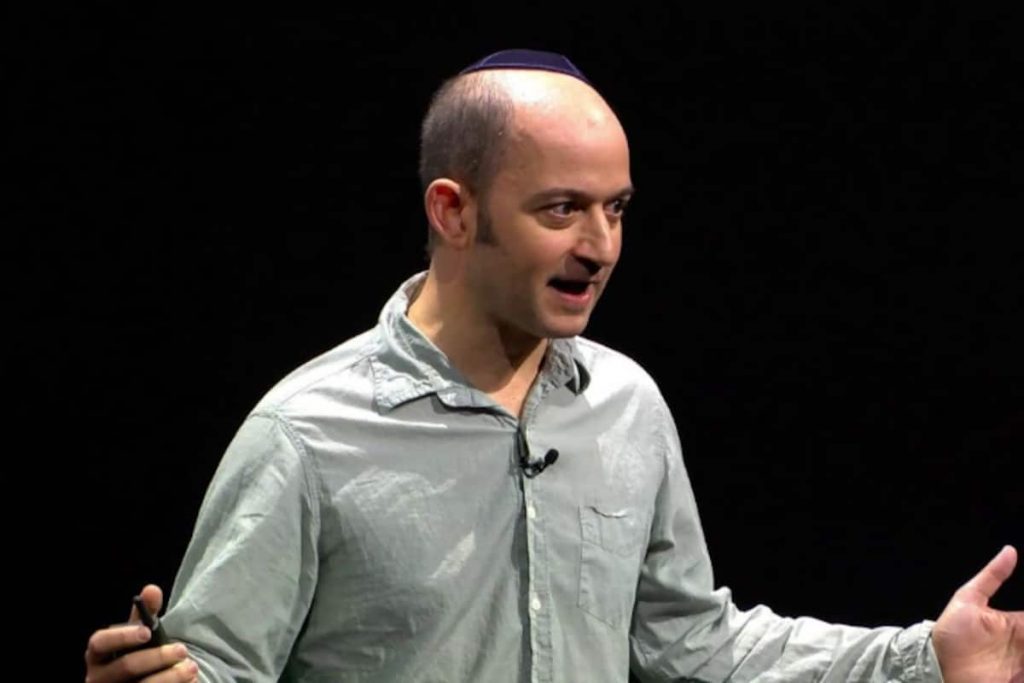
Noam Shazeer, one of the most influential figures in modern AI, has announced on X that he is leaving Google to join OpenAI, ending a second stint at the company that has now run barely two years.
“I’m excited to share that I’ll be joining OpenAI and look forward to working with the exceptional team there,” Shazeer wrote. “It was a difficult decision to move on. I’m incredibly proud of the amazing team at Google and everything we’ve built together. It has been an honor and a pleasure to work with all of you.”
Google’s response was brief, telling Reuters it was “grateful for Noam’s meaningful contributions.” There was no detail on timing, no detail on his new role at OpenAI, and no comment from OpenAI itself beyond confirming the hire to staff.
Who Shazeer Is
Shazeer is not a typical executive departure. He is one of the authors of “Attention Is All You Need,” the 2017 paper that introduced the transformer architecture. Every major language model built since, from GPT to Gemini to Claude, traces its design back to that paper. Few people in AI can claim to have shaped the field at that level, and fewer still have spent two and a half decades doing it from inside Google.
He joined the company in 2000 and built a career across some of its most important infrastructure and research projects. By 2020, he and colleague Daniel De Freitas had built Meena, a conversational chatbot Google judged too risky to release publicly. The two left in 2021 and started Character.AI, a platform that let users chat with customisable AI personas. It grew fast, pulling in tens of millions of users and a valuation that touched $1 billion within a couple of years.
The Return, And What Came After
Google’s answer to losing him was to buy him back. In August 2024, the company struck a roughly $2.7 billion licensing arrangement with Character.AI that brought Shazeer and De Freitas into Google DeepMind, where Shazeer took on the role of VP of engineering and co-lead of the Gemini program. It was widely described as one of the most expensive acqui-hires in tech history, and reporting at the time pegged Shazeer’s own payout from the deal somewhere between $750 million and $1 billion, based on his ownership stake in Character.AI.
The bet paid off in visible ways. Gemini’s standing against ChatGPT improved markedly over the following eighteen months, and Shazeer was credited internally and externally as a central figure in that turnaround. He also became one of the more recognisable voices on where AI research was headed, talking publicly about reasoning models and the economics of inference compute on podcasts and panels through 2025.
Why This Move Stands Out
None of that history makes the OpenAI move ordinary. Public profiles and DeepMind’s own materials still listed Shazeer as Gemini co-lead as recently as early this year, with no public sign of any conversation with OpenAI. The departure appears to have come together quickly, and neither company has said what Shazeer’s title or mandate at OpenAI will be.
The timing matters too. OpenAI is widely reported to be preparing for an IPO that could value it at up to $1 trillion, a process that tends to put a premium on locking down senior research talent before going public rather than after. Hiring away the co-lead of a rival’s flagship model, and a coauthor of the paper the entire field is built on, fits a pattern of AI labs treating senior researchers less like employees and more like strategic assets to be acquired, licensed, or poached outright.
For Google, the loss stings on more than sentimental grounds. The company spent $2.7 billion specifically to avoid this outcome, and the fact that it happened anyway, within two years, raises obvious questions about retention at the very top of DeepMind. Whether De Freitas follows him, and whether this is the start of a broader unwind of the Character.AI deal, are questions Google will now have to answer in the coming weeks.