Moonshot AI, the company behind Kimi K3 is Chinese, but the company has some distinctly American cultural quirks that one wouldn’t immediately expect.
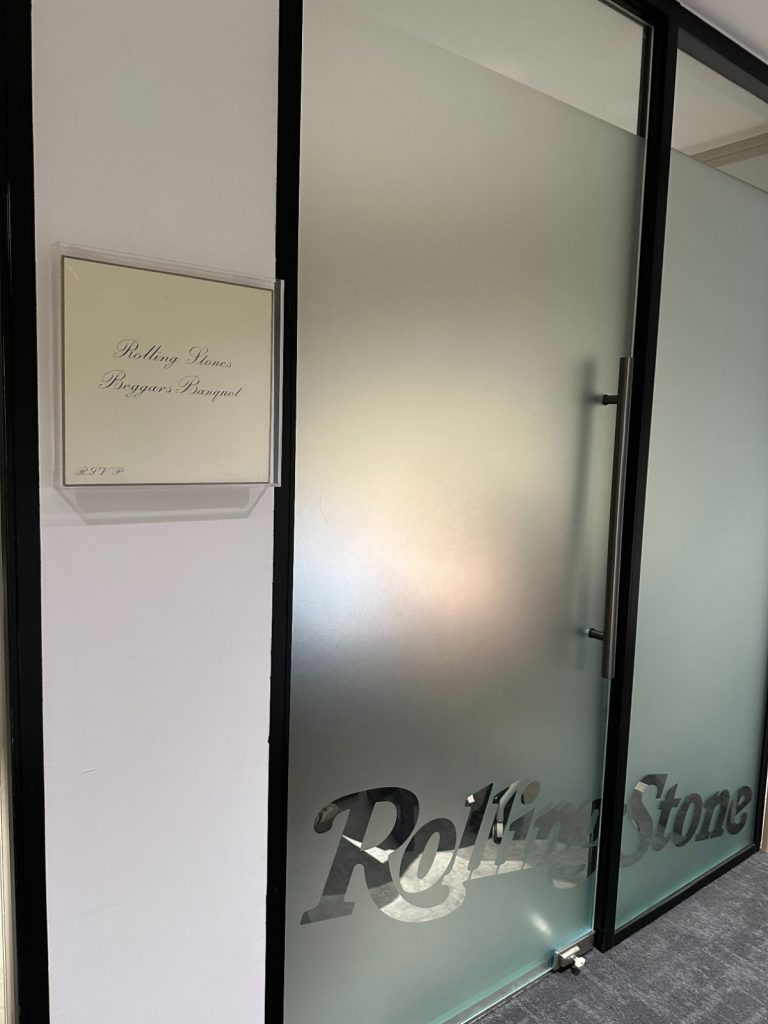
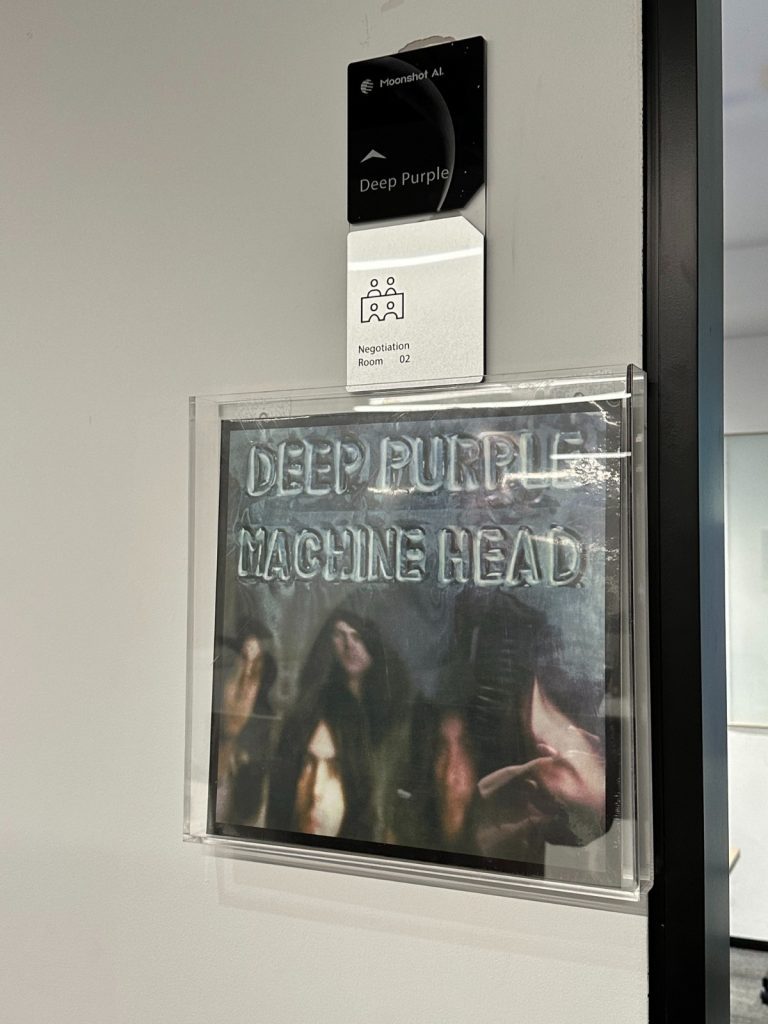
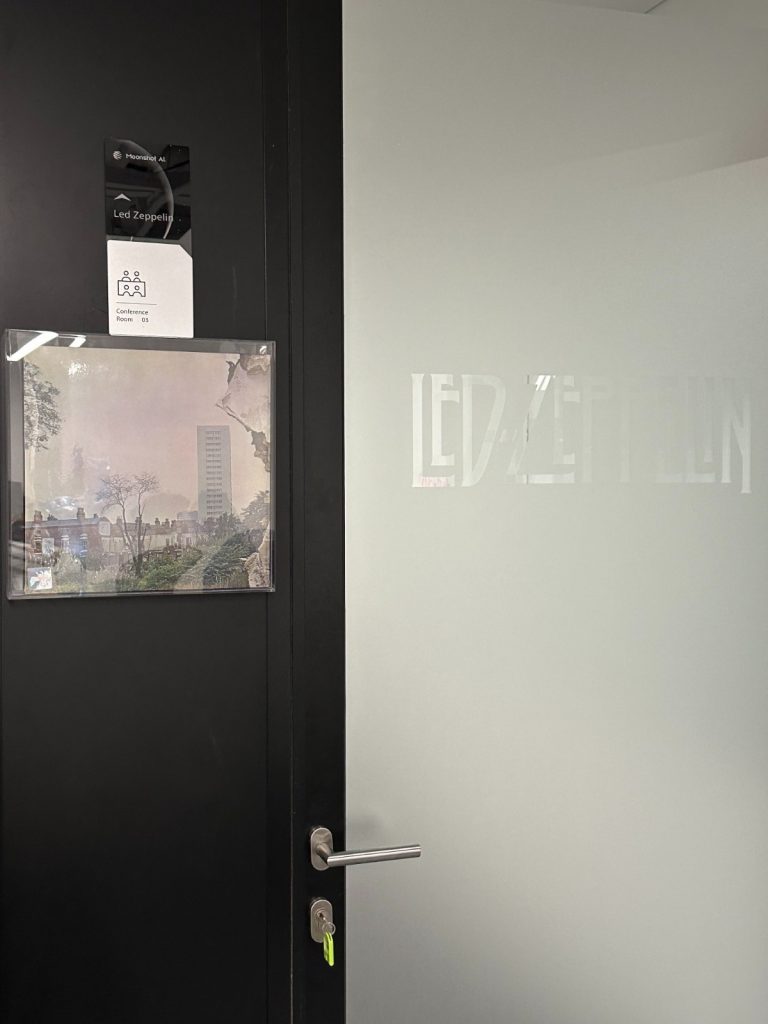
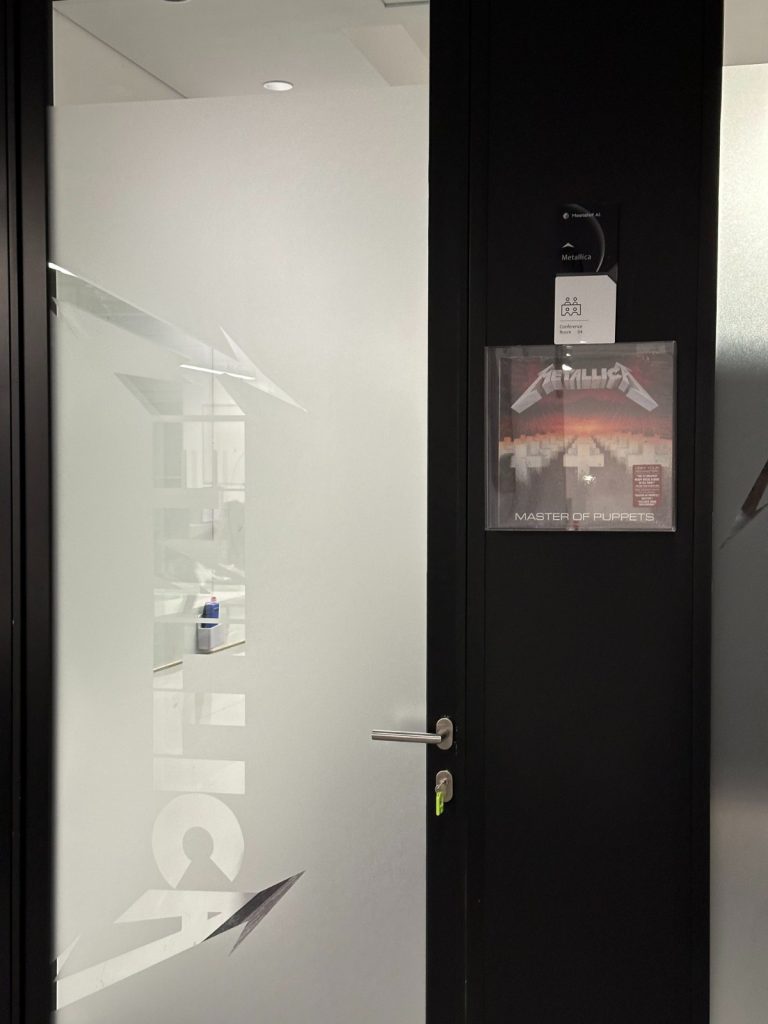
Photos of the company’s office, shared by an employee, show conference rooms named after Led Zeppelin, Deep Purple, the Rolling Stones and Metallica. Not one Chinese band or artist appears to have made the cut, at least not in the rooms visible so far. For a company that has become the face of China’s open-source AI push, and whose Kimi K3 model is currently trading benchmark blows with the best that OpenAI and Anthropic have to offer, the choice of decor is an odd little detail. It also happens to be a pretty revealing one.
The company itself is named Moonshot, supposedly a reference to Pink Floyd’s “The Dark Side of the Moon.” A Moonshot employee recently wrote about this on social media, explaining that the name wasn’t a marketing accident but grew out of an actual shared taste among the founding team. “We’re a team of scientists who love rock (Radiohead, Pink Floyd) and film (Tarantino, Kubrick),” the employee wrote, adding that the cultural fit was part of what drew them to the company in the first place.
Founder Zhilin Yang appears to be at the center of this. In an interview, when asked about a white piano sitting by his office door, Yang mentioned there’s a Pink Floyd album resting on it, adding that he has no idea who put it there and had only noticed it recently. Given that the company takes its name from a Pink Floyd album, the detail feels less like coincidence and more like an office culture that has absorbed the reference so completely that nobody remembers placing it there.
A Founder Shaped By American Labs
None of this happened by accident. Yang did his PhD at Carnegie Mellon University, finishing it in four years under advisors including Ruslan Salakhutdinov, later Apple’s Director of AI. During that period he interned extensively at Google, and after graduating he went on to work at both Google Brain and Meta AI before returning to China to start Moonshot in 2023.
That stretch in the US shows up everywhere in Moonshot’s early technical DNA. XLNet and Transformer-XL, two of the papers Yang co-authored as a PhD student, are still cited across the field years later. Yang has also said he picked up a specific research philosophy at Google — what he calls freeing yourself from “infinite polish” — which pushed him toward chasing scale over incremental tweaks, an instinct that arguably shaped the long-context, scale-heavy approach Moonshot later bet the company on with Kimi.
What the meeting room names suggest is that the influence didn’t stop at research methodology. It followed him into the office itself, in the form of the bands playing in his head while he was building a company seven thousand miles away from Pittsburgh and Mountain View.
An Odd Detail Given The Moment
The timing makes this stranger than it would otherwise be. The US and China are in the middle of an increasingly public contest over AI supremacy, one measured in benchmark charts, export controls on chips, and dueling claims about who has the better open-source model. Kimi K3 is a genuine contender in that race — Moonshot has said the model trails only Fable 5 and GPT-5.6 Sol in its own internal evaluations, and earlier Kimi releases have already beaten out models from OpenAI, Google and Anthropic on independent benchmarks like the Artificial Analysis Intelligence Index.
Against that backdrop, a Beijing AI lab naming its conference rooms after Metallica and the Rolling Stones reads almost like a contradiction, or at least a reminder that the technology race and the cultural one don’t run on the same track. Governments can restrict chip exports and argue over sovereignty in AI infrastructure, but they can’t really legislate what music a 31-year-old researcher was listening to while writing his CMU thesis, or what he decides to name a meeting room three years and $20 billion in valuation later.
It’s also worth noting that Moonshot isn’t hiding any of this or treating it as incidental. The employee who wrote about the office culture described it as a genuine part of why they joined the company, not a branding exercise dreamed up after the fact. For a firm that’s become one of the loudest examples of China’s ability to compete with, and occasionally beat, American frontier labs at their own game, it’s telling that the people building it grew up on the same rock records as the engineers on the other side of the Pacific they’re racing against.
That tension — a company built to challenge Silicon Valley on benchmarks, filled with people who clearly love what Silicon Valley’s culture produced outside of code — is probably the most interesting thing about Moonshot’s offices. It suggests the AI race isn’t really splitting along the clean national lines everyone keeps drawing it along, at least not inside the buildings where the models actually get made.