Some Silicon Valley leaders are insisting that AI isn’t leading to job losses, but news of AI-related layoffs keeps streaming in.
Barclays has confirmed it is cutting 5,000 roles, roughly 5% of its total workforce, as the British bank leans further into artificial intelligence to drive down costs and improve efficiency.
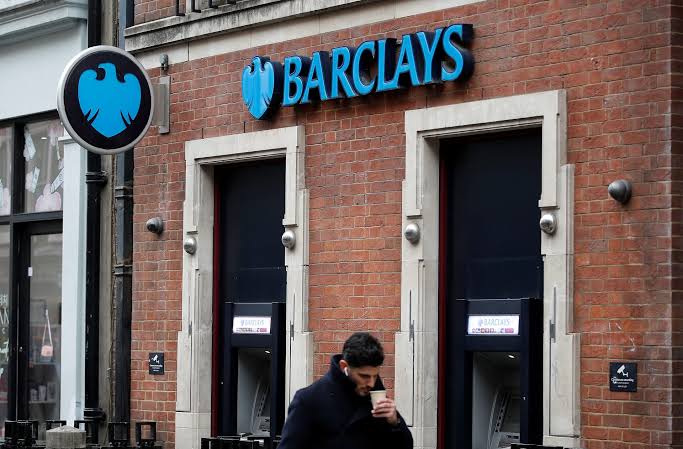
The bank said about 1,000 of these positions have already been eliminated, with the remaining cuts expected to be completed by the end of 2026. Most of the layoffs will hit operational and back-office functions in the UK, though the reductions will be felt across Barclays’ global operations.
Group CEO C.S. Venkatakrishnan tied the cuts to years of technology investment, framing AI as a complement to infrastructure upgrades rather than the primary driver of the change. He described AI as the “icing on the cake,” arguing that the real work lies in modernizing the underlying systems AI runs on, and that the bank has been applying the technology wherever that infrastructure is ready.
A Barclays spokesperson said the bank is positioning itself for the future by building the workforce and skills needed to execute its strategy, while still aiming to support affected employees through the transition.
Part Of A Wider Pattern In Banking
Barclays joins a growing list of banks citing AI and automation as they shrink headcount. Standard Chartered’s CEO made headlines earlier this year for describing some roles as “lower-value human capital” while unveiling plans to cut thousands of back-office positions, a comment that prompted scrutiny from regulators in Hong Kong and Singapore. The trend extends beyond banking too — US software and fintech firms have made similar moves this year, citing AI-driven cost pressures and restructuring as they prioritize AI investment over headcount.
Not everyone agrees AI deserves the credit. Some economists and investors have argued that factors like pandemic-era overhiring and high interest rates are the real drivers behind many of the layoffs companies are now attributing to automation.
A Mixed Quarter For Barclays
The job cuts were announced alongside Barclays’ third-quarter results, which showed profits of £2.3 billion, up 12% year-on-year but short of analysts’ expectations. The bank’s fixed-income trading business underperformed even as its equities division held up well, and shares fell more than 2.5% following the announcement.
AJ Bell investment director Russ Mould noted that Barclays stands out among UK rivals Lloyds and NatWest because of its sizeable investment banking arm, which cuts both ways depending on market conditions. He also pointed to two looming concerns for shareholders: an expected increase in bank taxes in next week’s Autumn Budget, and a reported investigation by the Bank of England’s Prudential Regulation Authority into how Barclays represented risks within its private credit portfolio. While the tax question should be settled soon, the regulatory probe looks set to weigh on the stock for longer.