Antarctica is not a destination corporate professionals stumble into. Getting there requires crossing the Drake Passage or flying over it, booking a cabin months in advance, and packing for conditions that can shift from calm and sunny to whiteout in an hour. Roughly 100,000 people visited the continent during a typical pre-pandemic season, and that number keeps climbing as more ships add polar routes. Before booking a trip, here’s what actually matters for a smooth, safe, and worthwhile experience.
Book your voyage at least 9 to 12 months ahead
Antarctic expedition ships carry far fewer passengers than typical cruise liners, often between 100 and 200 people, which means cabins sell out fast. Popular departure windows in November and December, when penguin courtship and nesting are at their peak, tend to book up first. Waiting until the last minute usually means settling for a lesser cabin category or a less desirable itinerary. Travelers already planning Antarctica cruises 2026 are locking in dates now, since the newer, smaller expedition vessels with better itineraries fill up quickest.
Choose your season based on what you want to see
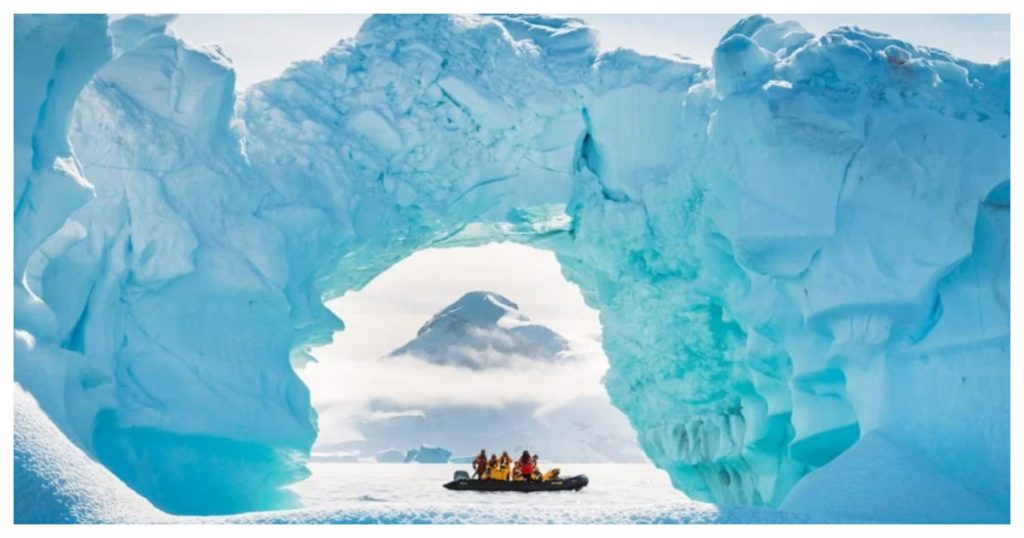
The Antarctic travel season runs from late October through March, and each stretch offers something different. Early season (October to November) brings dramatic ice formations and courting penguins, while December and January offer 20-hour daylight and penguin chicks hatching. February and March are best for whale watching, since humpbacks and orcas linger longer to feed before migrating north. Matching the calendar to your priorities will shape your entire experience more than almost any other decision.
Pack for four seasons in a single day
Weather in the Antarctic Peninsula can swing from 40°F and sunny to near-freezing with 50 mph winds within hours. Layering is not optional here; pack a waterproof and windproof outer shell, an insulated mid-layer, and moisture-wicking base layers rather than heavy cotton clothing. Waterproof pants and knee-high rubber boots matter more than most people expect, since Zodiac landings often mean stepping directly into shallow water. Most expedition operators provide a parka as part of the package, but gloves, hats, and sunglasses with UV protection are usually up to you.
Expect the Drake Passage to test your sea legs
Most voyages to Antarctica depart from Ushuaia, Argentina, crossing the Drake Passage, a two-day journey across some of the roughest open water on the planet. Conditions vary wildly, from the calm “Drake Lake” to the notorious “Drake Shake,” where swells can reach 20 feet or more. Seasickness medication, whether prescription patches, over-the-counter tablets, or acupressure bands, is worth packing regardless of how strong a stomach you have. Some travelers opt to fly one way over the passage instead, landing directly on King George Island to cut the crossing time in half.
Follow strict biosecurity rules before every landing
Antarctica has no permanent human population and no native land mammals, which makes its ecosystem extremely vulnerable to outside contamination. Before each shore landing, expedition staff require boot washing, vacuuming of pockets and Velcro, and inspection of any gear that touched soil or vegetation elsewhere. Bringing separate, dedicated outerwear that hasn’t been worn in other environments cuts down on decontamination time. These rules exist under the Antarctic Treaty System, and every operator that’s a member of IAATO (International Association of Antarctic Tour Operators) enforces them without exception.
Keep a respectful distance from wildlife
Guidelines require staying at least 15 feet from penguins and other wildlife, though animals sometimes approach closer on their own terms. Chinstrap, gentoo, and Adélie penguins show little fear of humans, and it’s not unusual for one to waddle right past a boot. Resist the urge to touch, feed, or block their path, since disturbing nesting colonies or feeding grounds can have lasting effects on breeding success. A zoom lens serves photographers far better than trying to get physically closer for a shot.
Bring cash-free payment and back up your electronics
There are no ATMs, shops, or cell towers once a ship leaves port, so settle any onboard account or gratuity questions before departure, since most vessels run a simple charge system tied to a credit card on file. Satellite wifi exists on most expedition ships, but it’s slow and priced by the megabyte, so don’t count on uploading photos in real time. Bring extra memory cards and a portable battery pack, since cold temperatures drain camera batteries much faster than usual and outlets on shore excursions don’t exist. A dry bag for cameras and phones also protects gear during wet Zodiac landings.
Antarctica rewards preparation more than almost any other destination on earth, precisely because there’s no backup infrastructure once you’re there. The trip itself is unforgettable, but the small decisions made months before departure, like booking early, packing the right layers, and understanding the biosecurity rules, are what determine whether the experience feels effortless or stressful. Get those details right, and the only thing left to think about is the scenery.