Jensen Huang’s first all-hands meeting since returning as NVIDIA CEO was not the usual pep talk from the man in the leather jacket. It began with an apology, it brought up therapy, and it included a defence of a leadership setup that put NVIDIA in trouble two weeks ago.
According to CNBC, Huang opened the meeting by apologising to staff and said he “wants to do a better job second time around as CEO.” The tone was remorseful, and at one point Huang seemed to get emotional. He told employees that the all-hands was “the second hardest meeting of his life, the first one being the one he had with his wife.”
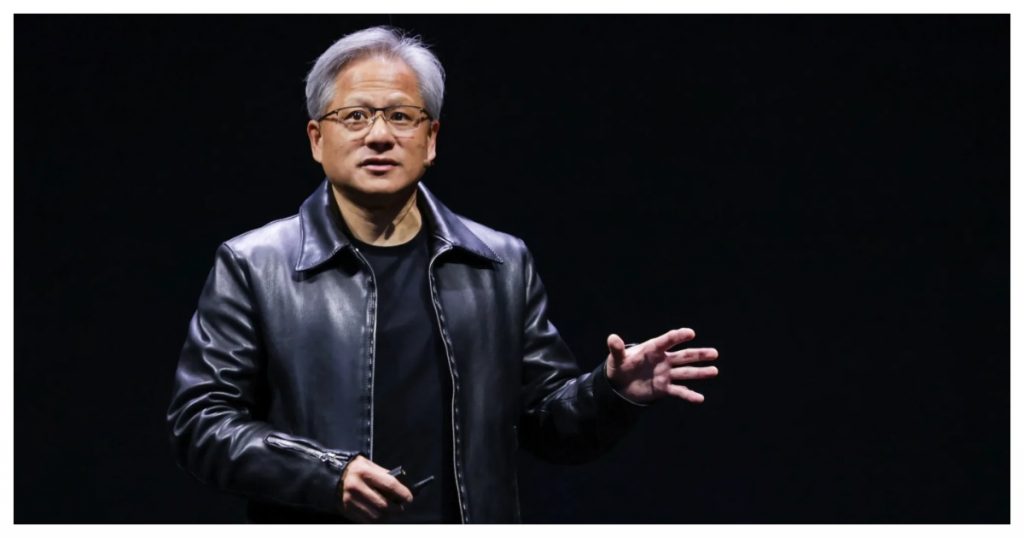
“I Don’t Believe In Succession Planning”
The most striking part of the meeting was about succession. Huang told staff he “did not believe in succession planning” because NVIDIA “operates a unique business model.”
He also argued that a formal succession plan “would create some type of hierarchy that isn’t needed,” given that there are “several capable leaders at NVIDIA.”
That position will get a lot of scrutiny, given what happened in the last two weeks. When Huang resigned on November 12, NVIDIA had no succession plan in place. The board had to name CFO Colette Kress as interim CEO and start looking for a permanent replacement inside and outside the company. NVIDIA shares fell sharply during the scandal, and the odds of Huang’s removal jumped to around 80% on prediction markets after a second affair was reported. Few companies of NVIDIA’s size depend this heavily on one person, and the market’s reaction showed it.
Huang’s dislike of hierarchy is well known. He has long run NVIDIA with an unusually flat structure and dozens of direct reports, and he has said he tries not to have regular one-on-one meetings with his staff, preferring to share information with everyone at once. His argument against a succession plan follows from that: naming an heir apparent would create the kind of pecking order he has spent three decades avoiding. Critics will say that one of the world’s most valuable companies, whose value moves with one man’s fortunes, cannot treat “who’s next” as optional. The question is especially sensitive because Huang’s children Spencer and Madison both work at NVIDIA.
Therapy, And “Not Above The Law”
The New York Times reported that Huang “did disclose that he is in therapy” during the meeting. Huang also pushed back on the narrative that he is “a tech bro and therefore above the law.”
It was an unusually personal admission from a CEO who rarely talks about his private life. The scandal that led to his exit began in late October, when the Times reported on Huang’s relationship with Alice Huang, an executive at Singapore-based NVIDIA customer Megaspeed whom US intelligence officials suspect of ties to Chinese intelligence. A second report then named Kimberly Powell, NVIDIA’s vice president of healthcare. The Wall Street Journal has since reported that Huang told the board about additional affairs beyond the two that were made public before it voted to bring him back.
A Thank-You To Colette Kress
Huang also brought CFO Colette Kress on stage and thanked her for her time as interim CEO. Kress, who has been NVIDIA’s CFO since 2013, led the company for the 11 days Huang was gone, including through an earnings call. She has now returned to her CFO role.
Her brief time in charge is perhaps the best argument for Huang’s claim that NVIDIA has “several capable leaders.” But Kress was appointed in a hurry, not chosen through a planned handover. On that same earnings call, board chair Harvey Jones said the company did not intend to reinstate Huang. A week later the board reversed course after President Donald Trump dialed into a board meeting to argue for Huang’s return.
Next Up: The Senate
Huang’s return does not end his problems in Washington. CNBC reports he is set to testify before the Senate next week on AI chip sales to China. The Senate Banking Committee summoned Huang and Commerce Secretary Howard Lutnick earlier this month. Lawmakers from both parties want to know how advanced NVIDIA chips reached China, what role Megaspeed played, and whether the administration ignored warnings while allowing more chip exports.
Earlier this year, Huang declined a similar invitation from Senator Elizabeth Warren to testify on NVIDIA’s China business. This time, he goes to Capitol Hill as a CEO who has just been reinstated, with an internal investigation, California and federal scrutiny, and a reported SEC review of NVIDIA’s accounting still ongoing.
Investors are, for now, firmly on his side. NVIDIA shares jumped about 32% when he returned, and neocloud stocks rose with them. Huang now joins the small group of CEOs who left their companies and came back, alongside Steve Jobs and Sam Altman. But his all-hands suggests he plans to run NVIDIA much as he did before. He says he wants to do a better job the second time, but he still doesn’t want a succession plan, even after the past two weeks showed what happens when NVIDIA has none.