Nothing produces as many diverging opinions as remote work.
Ryan Petersen, the CEO of logistics giant Flexport, has a pretty clear view on the matter. In a recent statement, he called remote work “white-collar fraud” — and his reasoning is less about abstract productivity metrics and more about something viscerally personal: children.
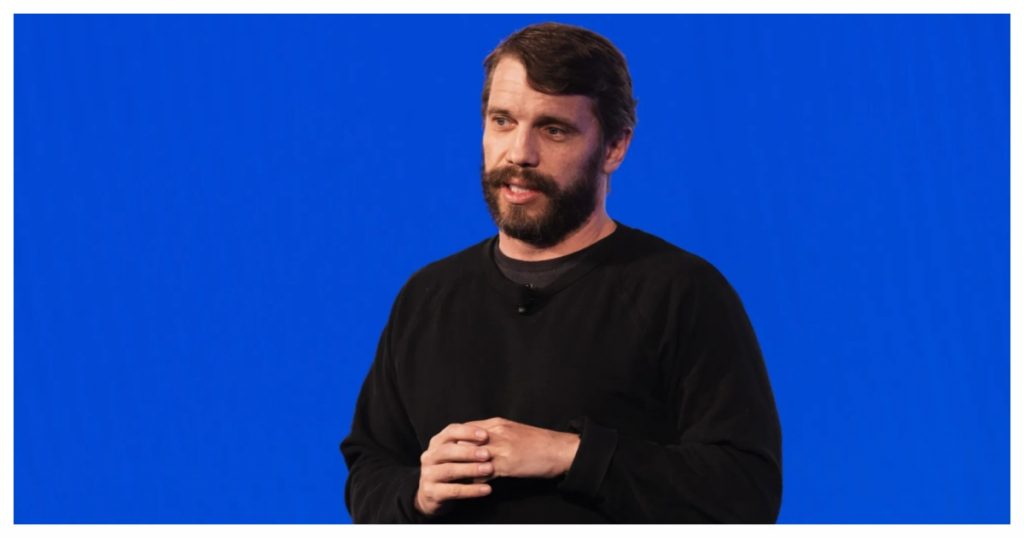
“I say it’s white-collar fraud,” Petersen said on the 20VC podcast. “I have a three-year-old and a five-year-old. The idea that I could do any work at my house is a total fantasy. Come on, you’re kidding.”
He went further, noting that his situation isn’t even comparable to that of most employees: “I actually have a bigger house than most employees do. I have a private office I can close the door on. It doesn’t matter. There’s no work getting done at that house when the children are around.”
The arithmetic of school schedules made his case even starker. “The kids come home — when does school end? 3:00 PM? Your workday needs to keep going.” For Petersen, that gap between the school bell and end of business is enough to render the whole premise of productive remote work a fiction. “I’m highly against it,” he concluded.
The broader context matters here. Petersen’s comments land at a time when the return-to-office push from corporate America is well underway but also running into its limits — many companies now mandate three or four days in the office, yet overall office occupancy has barely budged from where it settled after the pandemic. The norms shifted, and they haven’t fully shifted back.
He is far from the first tech CEO to voice this position, though few have put it quite so bluntly. Netflix CEO Reed Hastings called remote work “a pure negative” as far back as 2020, arguing that the inability to meet in person made debating ideas harder and offered no upsides he could identify. The interesting thing about Petersen’s version of the argument is that it doesn’t rely on culture or collaboration — it relies on the clock. His point isn’t that people work less effectively from home in some diffuse, hard-to-measure way. His point is that a significant portion of the remote workday, for anyone with young children, is simply not happening.
Whether or not that generalises is debatable. Plenty of research has pointed in the other direction — suggesting that employees without young children at home, or with better home setups, do manage to put in full hours and in some cases more. But Petersen’s framing — fraud — suggests he’s less interested in the average case than in what he sees as a systemic deception: people presenting themselves as working when they aren’t. For a CEO, that’s a harder thing to accommodate than a productivity dip.
The debate isn’t going away. If anything, it’s sharpening.