After three days of social media outrage — and some protests spilling into its stores across the country — Lenskart appears to have taken back its discriminatory dressing policies through which it allowed store employees to wear hijabs but not bindis or kalawas.
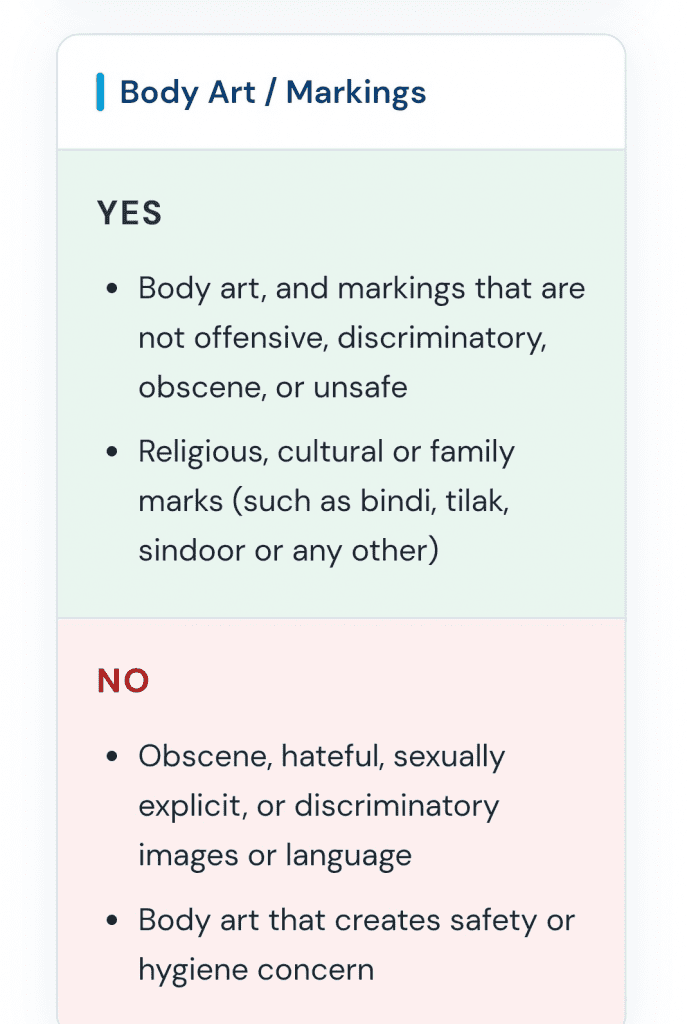
Lenskart has shared its updated guidelines for store employees. Under the new guidelines, Lenskart allows employees to wear “religious, cultural or family marks (such as bindi, tilak, sindoor and any other)”.
The Lenskart Religious Discrminiation Controversy
The issue had exploded on social media on 15th April when Lenskart’s style guidelines were leaked on social media. As per the guidelines, employees were permitted to wear hijabs, but forbidden from showing symbols of Hindu identity including bindis, tikas or kalawas.
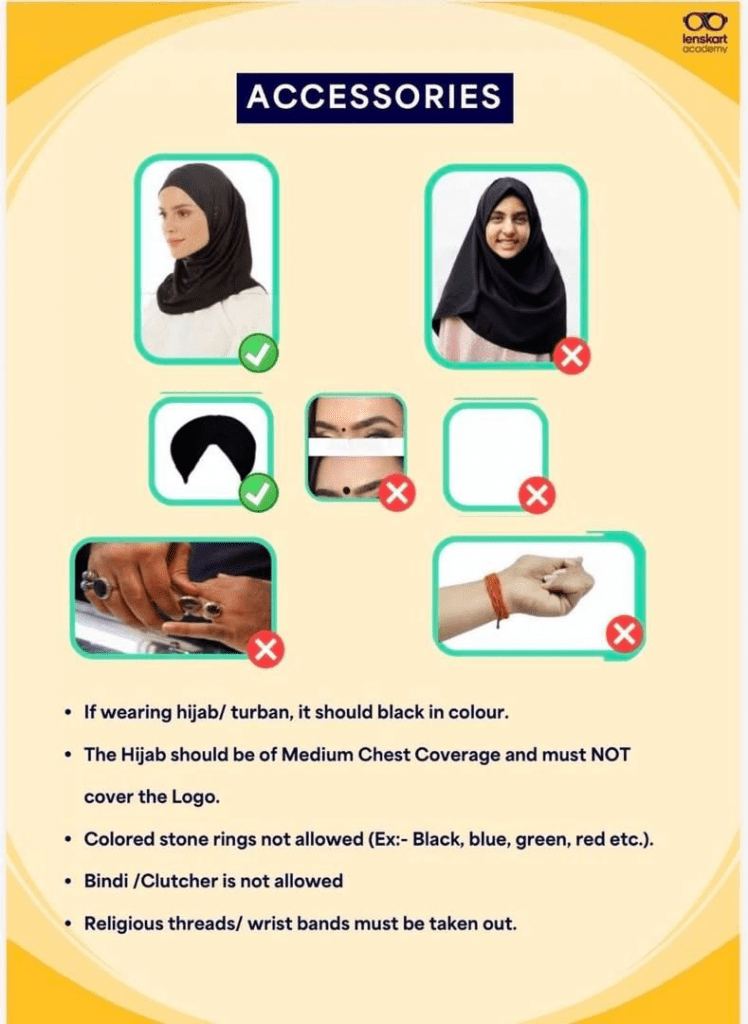
The guidelines had caused a furore on X, with thousands of users calling out Lenskart for religious discrimination. The same day, CEO Peyush Bansal had shared an update on X, calling the document “inaccurate”, and indicating that it was “outdated”. He also added that the policy wasn’t actively enforced.
But this didn’t fly with social media users. The very next day, a former Lenskart employee named Akash Falake leaked a set of emails to OfficeChai in which he’d been asking the company to revise its discriminatory policy since November last year, but his requests had been ignored by management. Falake had escalated the matter to Lenskart’s legal team, and had then loged a complaint with the Maharashtra government. He alleges that as soon he had lodged the official complaint, he was fired.
Protests escalate
Lenskart did not react to this report — which essentially showed that CEO Peyush Bansal had attempted to mislead people with his previous claim about the policy not being enforced — and outrage against the company grew. Some people went to Lenskart’s stores and requested staff to shut them down to protest the policy. Others destroyed their Lenskart glasses and went to its stores to throw them in their dustbins.
Some even went to Lenskart stores and asked the staff to wear tilaks in defiance of the policy, to which the staff complied.
The crisis – literally — hit close to home for Lenskart CEO Peyush Bansal. Some X users discovered his wife Nidhi Mittal Bansal’s X account, and found tweets which they thought were offensive to Hindus, including remarks on Lord Ram and derogatory remarks on the Hindu Mahasabha.
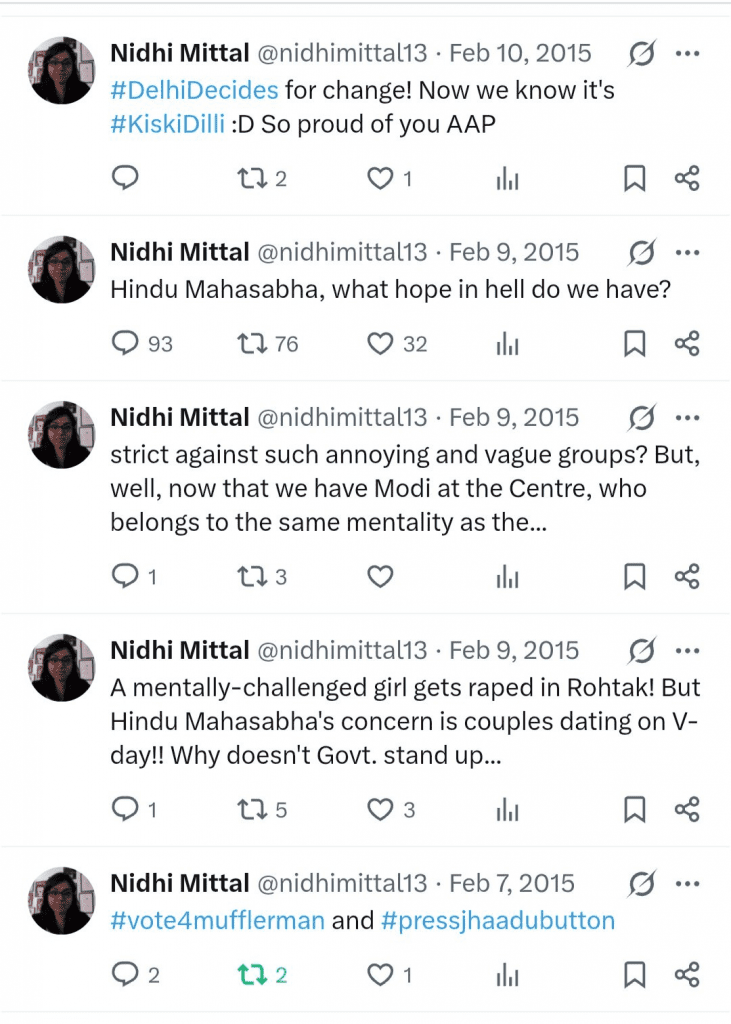
Within a few hours, Nidhi Mittal deactivated her account, but that didn’t help — the screenshots of her tweets continued going viral. Some users even dug up her blogposts from 2010 in which she’d encouraged Indians to marry Pakistanis, and that generated outrage as well.
It appears that this sustained pressure caused Lenskart to eventually buckle, and share its updated dressing policy.
Questions remain
Most social media users weren’t buying the new policy outright. “So they admit they & their CEO were lying, consistently, for days,” wrote an X user. “So they admitted they ..were insulting Hindus all these days,” wrote another.
Others felt it was too little, too late.
It remains to be seen if the updated policy stops the boycott calls against Lenskart, but several questions do remain about how the issue was handled. Lenskart CEO Peyush Bansal had clearly lied about the management having just heard about the policy — an employee had been raising the issue for three months but was ignored and allegedly fired for his objections. Also, Bansal had said that the policy wasn’t enforced, which wasn’t true — multiple accounts had cropped up on social media which showed that employees were being penalized for wearing bindis until this very month. Lenskart’s users will decide if the company genuinely feels apologetic about its policy or updated it after giving in to social media pressure, but this case — and the way it was handled — will be remembered as one of the most egregious examples of religious discrimination within India’s startup ecosystem.