Paytm Payments Bank had been barred from accepting fresh deposits since 2024, and it now looks like it’ll have to shutter its operations entirely.
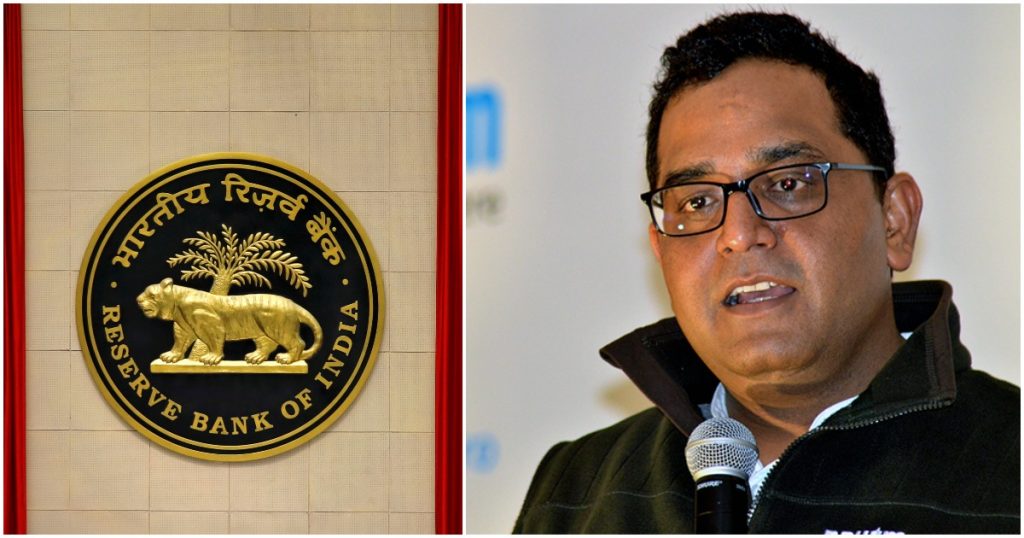
The Reserve Bank of India on Friday cancelled the banking licence issued to Paytm Payments Bank Limited, dealing the final blow to a bank that had been under regulatory siege for years. In its release, the central bank stated that the bank can no longer conduct banking business under the Banking Regulation Act, citing that its affairs and management were not in the interest of depositors or the public, and that it had failed to follow the conditions of its Payments Bank licence.
The RBI has also said it will move an application for winding up of the bank before the high court.
A Long Time Coming
The writing had been on the wall for a while. The troubles with Paytm Payments Bank began in earnest in March 2022, when the RBI barred it from onboarding new customers over what it called “material supervisory concerns,” also directing it to appoint an IT audit firm for a comprehensive system audit. That ban was never fully lifted.
Then in January 2024, the RBI ordered the bank to stop accepting fresh deposits entirely, citing non-compliance with rules on customer due diligence, use of funds, and technology infrastructure. Customers were advised to move their money and mandates to other banks before the deadline passed.
What Happens Now
At present, the bank remains technically operational but in a severely limited capacity — it can process withdrawals of existing deposits and facilitate loan referrals through banking correspondents. No fresh deposits can be accepted.
The RBI’s winding-up application before the high court is the next step, which will formally set in motion the process of shutting down the bank’s remaining functions.
A Steep Fall
Paytm Payments Bank was once seen as central to Paytm’s ambitions of becoming a full-stack financial services company. At its peak, the bank had 100 million UPI handles and 58 million bank accounts, and had processed transactions worth over Rs. 4.6 lakh crore in FY20. The company had grand plans, from 1 lakh banking correspondent outlets across the country to becoming a scheduled bank.
Instead, it ran into repeated regulatory headwinds — compliance failures, KYC issues, and technology infrastructure concerns — that progressively stripped it of the ability to grow, and ultimately, to operate.
For Paytm’s parent company, One 97 Communications, this marks the definitive end of its banking ambitions through the payments bank route. The focus will likely shift entirely to its payments, lending partnerships, and distribution businesses — areas where it doesn’t need a banking licence to operate.