OpenAI CEO Sam Altman has admitted that one of his early predictions about AI hasn’t quite come to fruition.
Speaking at the Commonwealth Bank of Australia conference in Sydney, Altman said he had expected AI to have eliminated more entry-level white-collar jobs by now than has actually been the case — and expressed relief at being proven wrong. His remarks stand in notable contrast to the alarm being sounded by some of his biggest rivals in the AI industry.
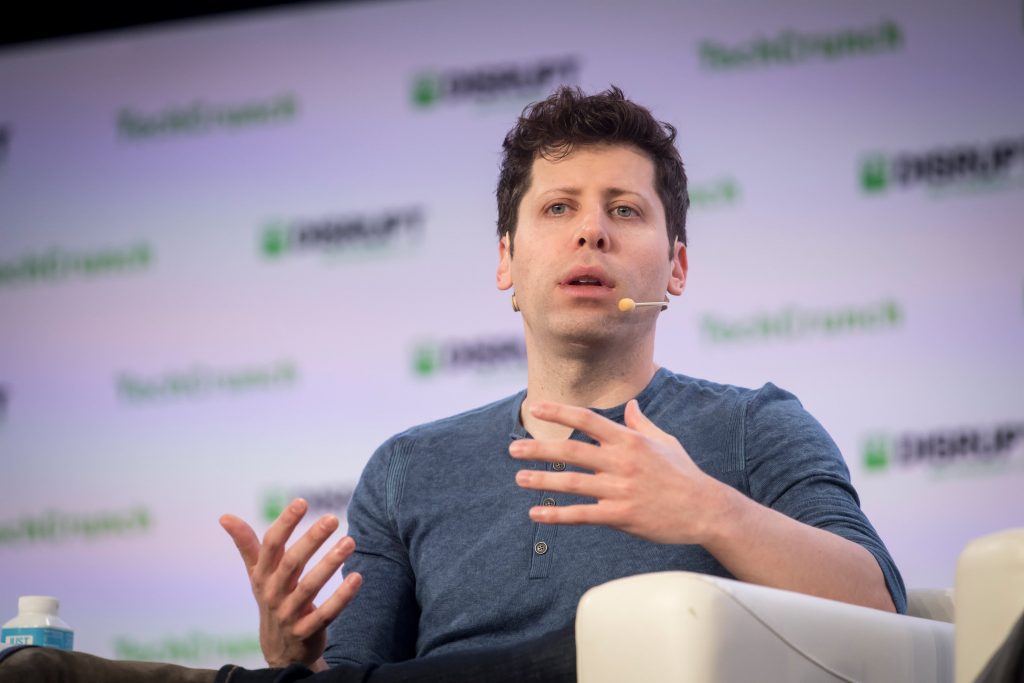
“I’m delighted to be wrong about this,” Altman said.
He went on to elaborate: “I thought there would have been more impact on entry-level white-collar jobs being eliminated by now than has actually happened.”
Altman also hinted that some in the industry were overblowing the AI jobs crisis. “I don’t think we’re going to have the kind of jobs apocalypse that some of the companies in our space advocate or talk about,” he said.
Altman’s comments land as a barely-veiled rebuke of Anthropic CEO Dario Amodei, who has spent the past year warning that AI could eliminate 50% of all entry-level white-collar jobs within five years, and that unemployment could spike to between 10% and 20%. Amodei has repeatedly framed this as a moral obligation to be candid — arguing that AI companies and governments are “sugarcoating” what’s coming. Altman and OpenAI COO Brad Lightcap had previously pushed back on Amodei’s forecast as lacking evidence.
Anthropic doubled down just this week. On May 25, co-founder Christopher Olah appeared at the Vatican alongside Pope Leo XIV for the launch of the papal encyclical Magnifica Humanitas, devoted entirely to the question of AI and human dignity. Olah told the gathering that there was “a real possibility that AI will displace human labor at a very large scale,” and that if that happened, “supporting those displaced will be a moral imperative of historic proportions.”
The gap between the two companies’ public positions is now difficult to ignore. While Anthropic has been warning of a coming jobs crisis — from investor interviews to the Vatican — Altman is saying the feared disruption simply hasn’t materialised. And critically, he doesn’t expect it to.
There is another, less flattering, explanation for the missing job losses that Altman did not address: AI may not yet be as productive at work as had been initially hoped. Uber COO Andrew Macdonald said this week that despite high usage of AI within the company, he could not draw a clear line between that usage and measurable improvements in consumer-facing products. “That link is not there yet,” Macdonald said. The admission followed reports that Uber had burned through its entire 2026 AI coding budget in just four months. Uber is not alone — Microsoft and Duolingo have also begun publicly questioning whether high AI adoption rates automatically translate to business outcomes.
The S&P 500’s total headcount actually fell in 2025 — the first annual decline in nearly a decade — which suggests some labour market pressure is building. But the mass displacement event that Amodei has prophesied has not arrived. For now, Altman’s measured view appears closer to what the data shows. Whether that remains true as AI models grow more capable is a question the industry will be forced to answer sooner than most expect.